


The southern inland belt of Sri Lanka holds more than just wildlife. It hides a slow and sacred rhythm of life, one that hums in its forests, flows through its rivers, and simmers under the earth. This curated day tour reveals the lesser-seen marvels of the dry zone, from lush safaris to healing hot springs, from pioneering bird research to rivers teeming with life. Ideal for seekers of depth and diversity, this journey takes you beyond the popular tracks, offering rare encounters and grounded insight into the natural and cultural richness of the region.
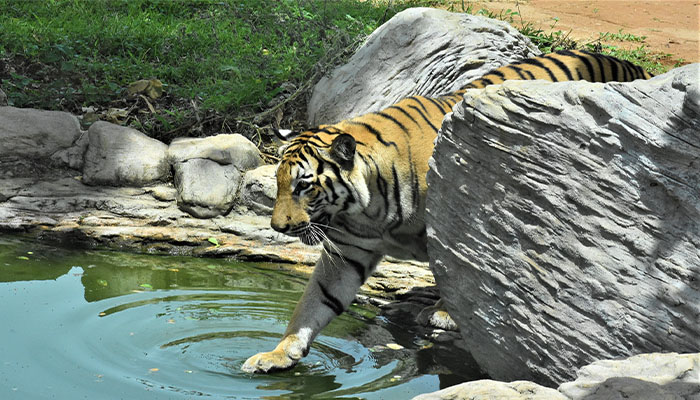
Unlike traditional national parks, Ridiyagama is Sri Lanka’s first open-air safari zoo, offering a unique blend of conservation and controlled interaction. Sprawling over 500 acres, the park is divided into distinct zones, each simulating natural habitats for animals such as lions, zebras, giraffes, and Bengal tigers. The experience here is immersive and educational, ideal for families and those curious about wildlife management and breeding programs in Asia.
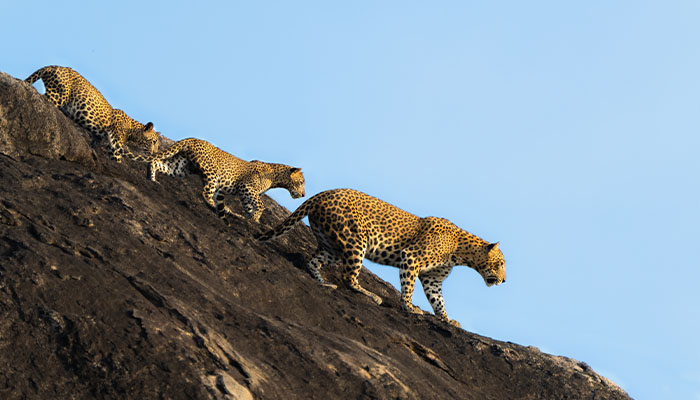
No trip through the south is complete without a passage through Yala. A mosaic of scrub forest, grassland, and lagoons, Yala is the country’s most famed wildlife sanctuary, celebrated for its high density of leopards. You may encounter sloth bears loping across the trail, herds of elephants gathering around watering holes, and crocodiles basking beside storks. The rawness of the wild here is immediate and intimate, and no two drives are ever the same.
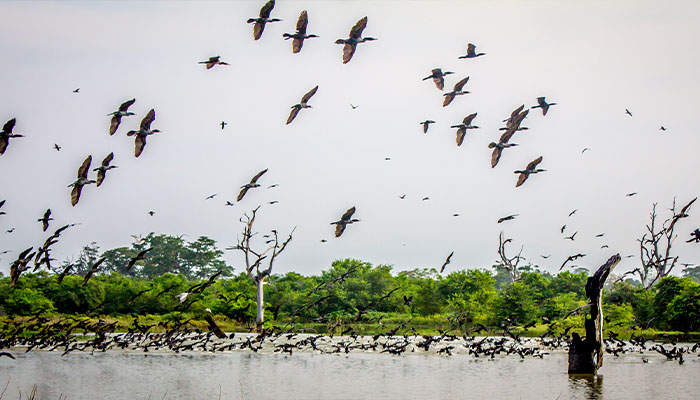
Flowing with quiet purpose through the dry zone, the Walawe River is a sanctuary of biodiversity. This serene boat journey takes you past overhanging mangroves, monitor lizards sunning on logs, and flocks of kingfishers and egrets dancing just above the water’s surface. Early morning and late afternoon bring the best chance of spotting crocodiles and elephants crossing at natural points along the banks.
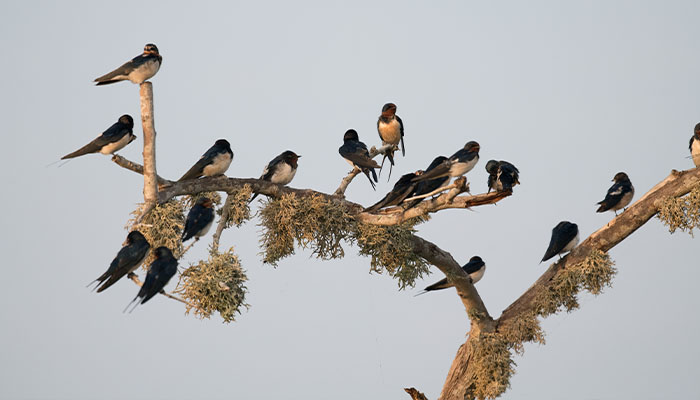
A unique conservation space and educational hub, the Birds Research Center in Hambantota is one of the largest of its kind in South Asia. Home to over 180 species of endemic and exotic birds, the facility offers a closer look at avian ecosystems and breeding practices. Walk through aviaries, observe rare and endangered species, and learn how researchers are protecting delicate populations in a changing climate.
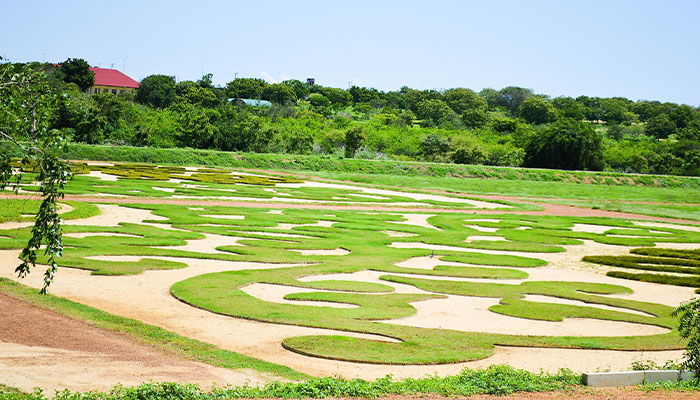
Set amidst arid landscapes, this botanical haven celebrates the resilience of dry zone flora. The Mirijjawila Botanic Gardens are curated into thematic zones featuring medicinal plants, succulents, endangered species, and ornamental landscapes. It is not only an escape into green serenity, but also a place to understand plant adaptation, conservation efforts, and indigenous ecological knowledge.
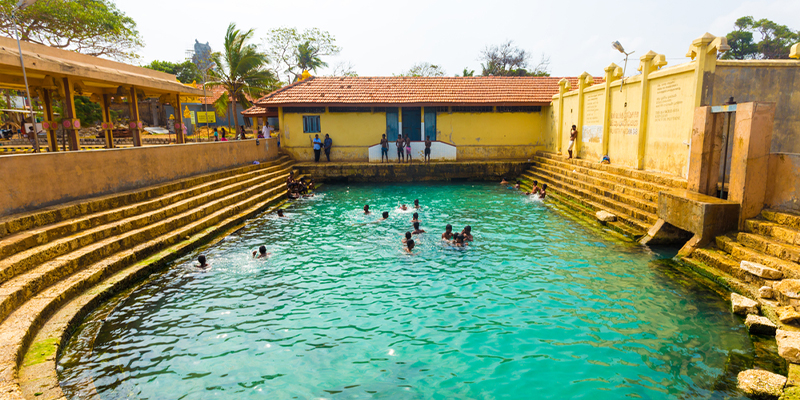
Long known to locals for their therapeutic properties, the Mahapelessa springs are fed by subterranean geothermal energy. These mineral-rich waters emerge from the earth at varying temperatures across multiple natural wells, forming warm pools that soothe and invigorate. Believed to relieve skin conditions and joint pain, the springs are also a fascinating geological phenomenon, a quiet reminder of the island’s volcanic past.